Korean Bibimbap
Uitgelicht onder: Wereldse Keukenfavorieten
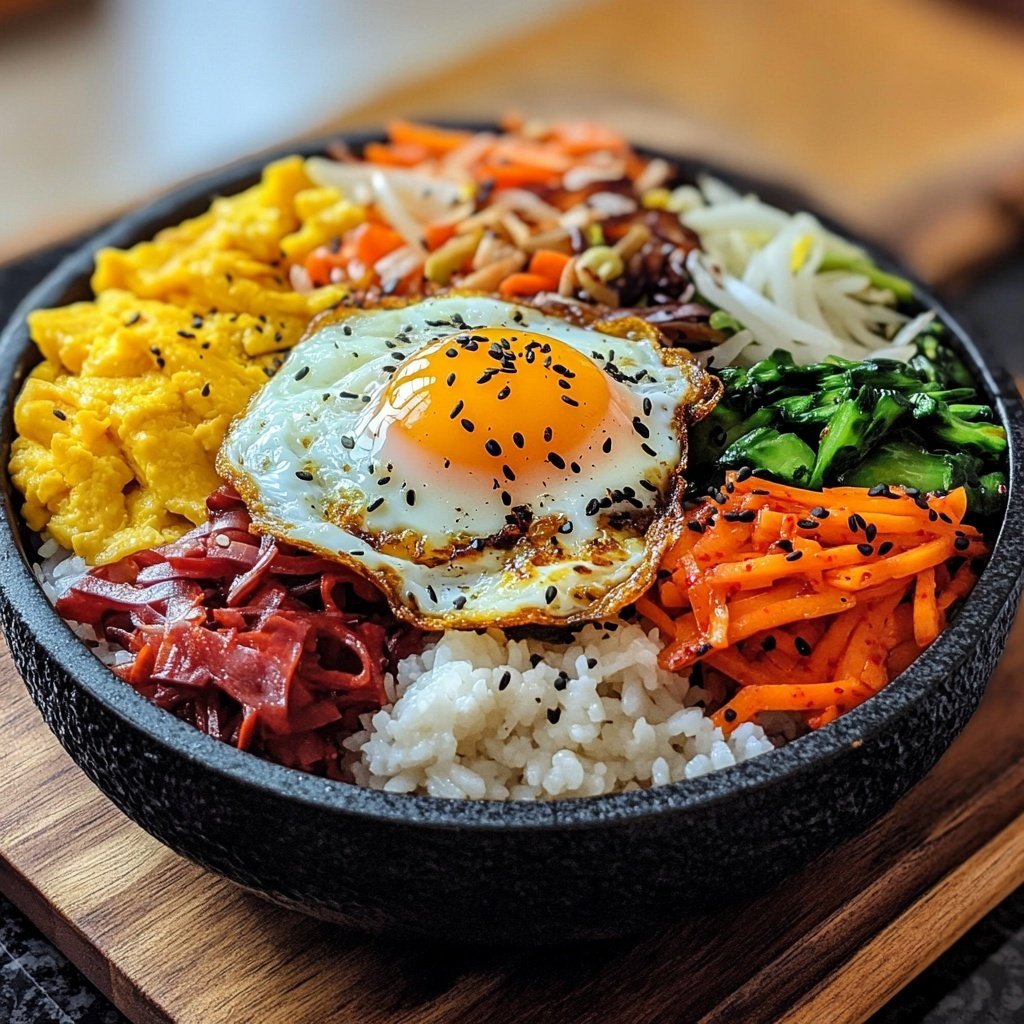
Korean Bibimbap is a colorful and nutritious dish that brings together a variety of flavors and textures in a single bowl.
Korean Bibimbap is a beloved traditional dish that showcases the essence of Korean cuisine. It combines rice with a variety of vegetables, meat, and a fried egg, all topped with a spicy gochujang sauce. The vibrant colors and rich flavors make it a feast for both the eyes and the palate.
Why You'll Love This Recipe
- A beautiful mix of fresh vegetables and savory meat
- Customizable to your taste with various toppings
- A complete meal in one bowl, perfect for busy weeknights
The Essence of Bibimbap
Bibimbap, a staple in Korean cuisine, translates to 'mixed rice'. The beauty of this dish lies not just in its vibrant presentation but also in its balance of flavors and textures. Each component, from the tender vegetables to the savory meat, contributes to a harmonious meal. The mix of ingredients ensures that every bite is a delightful experience, making it a favorite among those who appreciate both nutrition and taste.
Traditionally, bibimbap is served in a hot stone pot, which creates a crispy layer of rice at the bottom. However, this recipe offers a simplified version that can be made in any kitchen. With a variety of toppings, you can personalize your bibimbap to suit your preferences, making it a versatile dish that can cater to everyone from meat lovers to vegetarians.
Health Benefits of Bibimbap
Korean Bibimbap is not just delicious; it's also packed with nutrients. The combination of fresh vegetables, protein, and healthy fats makes it a well-rounded meal. Spinach and bean sprouts provide essential vitamins and minerals, while the protein from the beef or tofu helps to keep you feeling full and satisfied. This dish is a fantastic way to incorporate a variety of food groups into one meal, promoting a balanced diet.
Additionally, the use of gochujang, a fermented chili paste, adds depth and complexity to the flavors while offering health benefits. Fermented foods are known for their positive effects on gut health, making bibimbap not only a feast for the senses but also a support for your overall well-being.
Tips for Perfecting Your Bibimbap
To elevate your bibimbap experience, consider using a variety of seasonal vegetables. Ingredients like radishes, bell peppers, or even kimchi can add unique flavors and textures. Don't hesitate to experiment with different proteins, including chicken, seafood, or plant-based options. This flexibility allows you to create a dish that reflects your taste preferences or the ingredients you have on hand.
When serving bibimbap, presentation matters! Arrange the ingredients in an appealing manner, creating a rainbow of colors that will entice anyone at your table. A hot stone bowl, if available, can enhance the dish by providing a crispy bottom layer of rice while keeping everything warm. Finally, remember to mix everything together thoroughly before eating to ensure each bite delivers the full spectrum of flavors.
Ingredients
For the Bibimbap
- 2 cups cooked rice
- 1 cup spinach, blanched
- 1 carrot, julienned
- 1 zucchini, julienned
- 1 cup bean sprouts, blanched
- 1 cup shiitake mushrooms, sliced
- 4 eggs
- 8 oz beef (or tofu), sliced
- 2 tablespoons soy sauce
- 1 tablespoon sesame oil
- 2 tablespoons gochujang
- 1 tablespoon sesame seeds
- Salt and pepper to taste

Instructions
Prepare the Vegetables
In a skillet, sauté the zucchini, carrots, and mushrooms separately in a little sesame oil until tender. Season with salt and pepper. Set aside.
Cook the Beef
In the same skillet, add the sliced beef, soy sauce, and sesame oil. Cook until the beef is browned and cooked through. Set aside.
Fry the Eggs
In a separate pan, fry the eggs sunny-side up until the whites are set but the yolks are still runny.
Assemble the Bibimbap
In a large bowl, place the cooked rice at the bottom. Arrange the sautéed vegetables, beef, and blanched spinach and bean sprouts on top of the rice. Place the fried egg in the center and drizzle with gochujang. Sprinkle with sesame seeds.
Mix everything together before eating to enjoy the full flavor of the Bibimbap!
Professionele Tips
- Feel free to add or substitute any vegetables according to your preference. For a vegetarian option, replace beef with tofu or tempeh.
Serving Suggestions
Korean Bibimbap is delightful on its own, but you can enhance the meal with various side dishes. Consider serving it alongside traditional Korean banchan such as kimchi or pickled vegetables for added flavor and texture. These sides not only complement the main dish but also introduce additional nutrients and flavors, creating a well-rounded dining experience.
Pair your bibimbap with a refreshing drink, such as iced barley tea or a light Korean beer, to balance the savory flavors. The right beverage can elevate your meal and make it feel even more special, whether it's a casual weeknight dinner or a gathering with friends and family.
Storing and Reheating Leftovers
If you have leftover bibimbap, storing it properly is key to maintaining its freshness. Keep the components separate in airtight containers in the refrigerator. The rice can be stored for up to three days, while the vegetables and protein should be consumed within two days for optimal taste and texture.
When reheating, avoid using the microwave if possible, as it can make the rice soggy. Instead, try reheating in a skillet with a splash of water to steam and revive the ingredients. This method will help preserve the integrity of the vegetables and give you a delicious meal that tastes almost as good as fresh.
Vragen Over Recepten
→ Can I make Bibimbap ahead of time?
Yes, you can prepare the vegetables and beef in advance. Just assemble it right before serving.
→ What can I use instead of gochujang?
You can use sriracha or another chili paste, but the flavor will be different.
→ Is Bibimbap gluten-free?
You can make it gluten-free by using tamari instead of soy sauce and ensuring all other ingredients are gluten-free.
→ Can I use brown rice instead of white rice?
Yes, brown rice can be used for a healthier option. Just note that it may require a longer cooking time.
Korean Bibimbap
Gemaakt door: Esme Caldwell
Recepttype: Wereldse Keukenfavorieten
Vaardigheidsniveau: Intermediate
Eindportie: 4 servings
Wat je Nodig Hebt
For the Bibimbap
- 2 cups cooked rice
- 1 cup spinach, blanched
- 1 carrot, julienned
- 1 zucchini, julienned
- 1 cup bean sprouts, blanched
- 1 cup shiitake mushrooms, sliced
- 4 eggs
- 8 oz beef (or tofu), sliced
- 2 tablespoons soy sauce
- 1 tablespoon sesame oil
- 2 tablespoons gochujang
- 1 tablespoon sesame seeds
- Salt and pepper to taste
Stappen
In a skillet, sauté the zucchini, carrots, and mushrooms separately in a little sesame oil until tender. Season with salt and pepper. Set aside.
In the same skillet, add the sliced beef, soy sauce, and sesame oil. Cook until the beef is browned and cooked through. Set aside.
In a separate pan, fry the eggs sunny-side up until the whites are set but the yolks are still runny.
In a large bowl, place the cooked rice at the bottom. Arrange the sautéed vegetables, beef, and blanched spinach and bean sprouts on top of the rice. Place the fried egg in the center and drizzle with gochujang. Sprinkle with sesame seeds.
Extra Tips
- Feel free to add or substitute any vegetables according to your preference. For a vegetarian option, replace beef with tofu or tempeh.
Voedingswaarde (Per Portie)
- Calories: 500 kcal
- Total Fat: 20g
- Saturated Fat: 6g
- Cholesterol: 186mg
- Sodium: 800mg
- Total Carbohydrates: 65g
- Dietary Fiber: 5g
- Sugars: 4g
- Protein: 20g